Phone: (808) 585-3300 Fax: (808) 545-5063

Roman Catholic Church in the state of hawaii
Diocese of Honolulu
E Hiki Mai Kou Aupuni
News & Events

Help me find...
- Home
- >
- News & Events
- >
- News Articles
- >
- 2026
- >
- June
- >
- 6/30 I Was Homeless You Gave Me Shelter
- >
News Articles
I Was Homeless You Gave Me Shelter
June 30, 2026
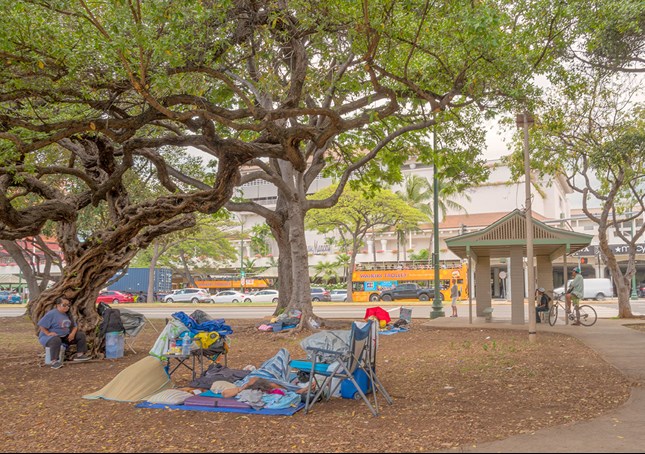 (Theodore Trimmer / Shutterstock.com)
From Catholic Charities Hawai`i
Catholic Charities Hawai`i has worked with the houseless since 1990 when the Diocese asked us to take over the Maililand Transitional Shelter. A program that is still being offered on Waianae. Currently, it is now the Family Assessment Center program and bridge housing. Both work with the residents to stabilize them and work with the families to find more permanent solutions to their houseless situation.
Over the years, Catholic Charities Hawai`i has looked to provide different ways to house the homeless. We have established housing assistance for the elderly, homeless prevention programs, transitional housing, permanent placements and rental support. Through these efforts we have been able to help thousands find stability and self-sufficiency.
Recently, our grassroots efforts to work with the homeless expanded with an additional service. The Statewide Office on Homelessness and Housing Solutions (SOHHS) launched a one-year pilot intensive outreach initiative on November 26, 2025, to support individuals living in homeless encampments across Oahu. Catholic Charities Hawaiʻi (CCH) was contracted to provide these services, delivering focused, high-engagement outreach to connect unsheltered individuals with resources, shelter and housing opportunities.
The CCH outreach team, which usually hit the streets starting at 7:00pm, has engaged individuals across key areas including Ala Moana, Chinatown, Kilihau Street near the Hawaiʻi Foodbank, Kalihi Stream, Wahiawā, and the State Capitol. Teams prioritize building trust, offering individualized support, and helping people take next steps toward shelter and longer-term housing.
Through this approach, the team engaged 235 individuals, with 15% expressing willingness to enter shelter, demonstrating the ongoing challenging progress in building trust and encouraging service engagement through a person-centered approach. Of those who expressed interest, 67% were successfully placed into shelter, reflecting strong follow-through and coordination while also illustrating the real-world complexities of aligning individual readiness with available resources at the right time.
Through this pilot, important opportunities have been identified to further strengthen system alignment—particularly in ensuring shelter availability and timing are closely coordinated, so placements can occur when individuals are ready. Additional factors, such as accommodating pets (including multiple pets), addressing mental and behavioral health needs, substance use, coordinating transportation, and maintaining low-barrier access, continue to influence placement outcomes.
Overall, the initiative highlights the effectiveness of intensive, flexible outreach in building trust and connecting individuals experiencing homelessness to meaningful resources and housing or shelter opportunities. Early results provide a strong foundation for enhancing coordination, expanding responsive shelter options, and continuing to refine client-centered outreach solutions across Oahu.
